


The psychology behind high-stakes gambling Understanding player behavior
The Allure of High-Stakes Gambling
High-stakes gambling captivates many individuals, drawing them into a world where the stakes are not merely monetary but also psychological. The thrill associated with placing large bets often stems from an adrenaline rush, which can activate the brain’s reward system. This physiological response can induce feelings of euphoria, drawing players back for more intense experiences. The allure of winning big can overshadow the potential risks, blinding players to the realities of their financial situations. For those interested in exploring this phenomenon further, katanaspin-casino-uk.com offers insights and a platform for exhilarating gaming.


Moreover, the environment of high-stakes settings, whether in a bustling casino or an online platform, plays a significant role in shaping player behavior. The ambiance, characterized by flashing lights, engaging sounds, and even the presence of other players, contributes to an atmosphere that feels charged with excitement. This sensory stimulation further enhances the desire to engage in risky behavior, as players often become engrossed in the moment, leading to impulsive decisions that can result in significant losses.
Lastly, the social aspect of high-stakes gambling cannot be understated. Players often find camaraderie with fellow gamblers, sharing in the highs and lows of their experiences. This sense of community can create a sense of belonging that reinforces their engagement in gambling, making it more than just a solitary activity. The combination of these factors creates an enticing environment that drives individuals toward high-stakes gambling, often at the cost of their financial and emotional well-being.
Psychological Triggers in Gambling
The psychology behind gambling is deeply rooted in behavioral triggers that can lead players to make decisions they may not otherwise consider. One primary trigger is the concept of loss aversion, where individuals feel the pain of losing more acutely than they experience the joy of winning. This can lead gamblers to chase their losses, placing larger bets in an attempt to recover what they have lost. Such behavior often results in a downward spiral that can be difficult to escape.
Addiction to gambling can also be reinforced through near-misses, where players come close to winning but ultimately do not succeed. These situations can trigger a strong emotional response, encouraging players to continue gambling in hopes of achieving that elusive win. The brain interprets near-misses as a sign that they are close to success, motivating them to keep playing despite the odds stacked against them. This psychological reinforcement is powerful and can lead to compulsive gambling behaviors.
Additionally, the illusion of control plays a significant role in player behavior. Many gamblers believe that they can influence the outcome of games through skill or strategy, even in games of chance. This belief can lead to overconfidence, causing players to take risks they would normally avoid. By understanding these psychological triggers, we can better grasp why individuals engage in high-stakes gambling and the risks involved in such behavior.
The Role of Cognitive Dissonance
Cognitive dissonance arises when a person holds two conflicting beliefs or attitudes, leading to discomfort. In the realm of high-stakes gambling, this phenomenon can manifest when players justify their gambling behavior despite potential negative consequences. For example, a player may convince themselves that they can afford to gamble because they have had a few winning streaks, even if their overall financial situation suggests otherwise. This rationalization can perpetuate the cycle of gambling and lead to detrimental choices.
Moreover, players may downplay the risks involved in high-stakes gambling by focusing on their potential wins. This selective perception allows them to ignore the very real possibility of significant losses. Cognitive dissonance can create a false sense of security, making it easier for individuals to engage in risky behaviors without fully understanding the consequences. By acknowledging these conflicting beliefs, players may be better equipped to evaluate their gambling habits more critically.
Ultimately, cognitive dissonance can lead to a denial of the addiction itself. Many players may not see their behavior as problematic, believing that they have control over their gambling habits. This denial can prevent them from seeking help or making necessary changes. Understanding the psychological mechanisms behind cognitive dissonance can provide valuable insights into why high-stakes gambling is so compelling and what it takes to break free from its grasp.
Strategies for Responsible Gambling
Recognizing the psychological factors at play in high-stakes gambling can pave the way for developing responsible gambling strategies. One effective approach involves setting clear limits on both time and money spent gambling. Players should establish boundaries before they start, ensuring they stick to predetermined amounts. This practice not only helps mitigate financial risks but also encourages a healthier relationship with gambling as a form of entertainment rather than a means of income.
Another crucial strategy is to maintain awareness of the emotional triggers that lead to gambling. Keeping a journal can help players track their moods and behaviors while gambling. By identifying patterns, individuals can gain insights into when they are more likely to gamble excessively. This level of self-awareness is vital for taking control of one’s gambling habits and recognizing when it may be time to take a step back.
Lastly, seeking support from friends, family, or professional organizations can be incredibly beneficial. Having a support network can provide accountability, making it easier to resist the urge to gamble impulsively. Additionally, many resources are available to help individuals navigate their gambling behaviors, offering guidance and strategies for maintaining a balanced lifestyle. Implementing these strategies can lead to a more enjoyable and responsible gambling experience.
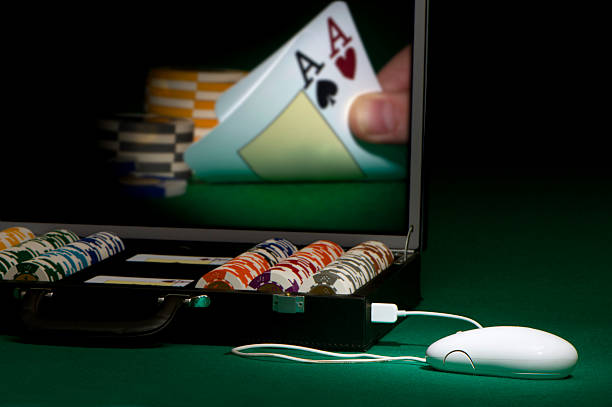
KatanaSpin: A Responsible Gaming Environment
KatanaSpin UK exemplifies a commitment to creating a safe and responsible gaming environment. By offering a wide range of games while prioritizing user experience, they ensure that players can enjoy high-stakes gambling without compromising their well-being. The casino operates under a Gibraltar Gambling Licence, underscoring its dedication to maintaining a secure platform for all users.
New players can take advantage of an attractive welcome package, which features enticing bonuses and free spins designed to enhance their gaming experience. This thoughtful approach allows players to engage in high-stakes gambling while having the opportunity to explore various games without significant financial risk. The variety of payment options, including cryptocurrencies, further enhances accessibility and convenience for users.
In conclusion, KatanaSpin strives to create an enjoyable atmosphere for high-stakes gambling while promoting responsible practices. By emphasizing user satisfaction and security, they are positioning themselves as a leading online casino destination for those who seek thrilling gaming experiences without compromising their financial and emotional health. Players can enjoy the excitement of high-stakes gambling in a safe environment, making informed choices that align with their well-being.